
Benefits of Wireless Pick-to-Light Systems
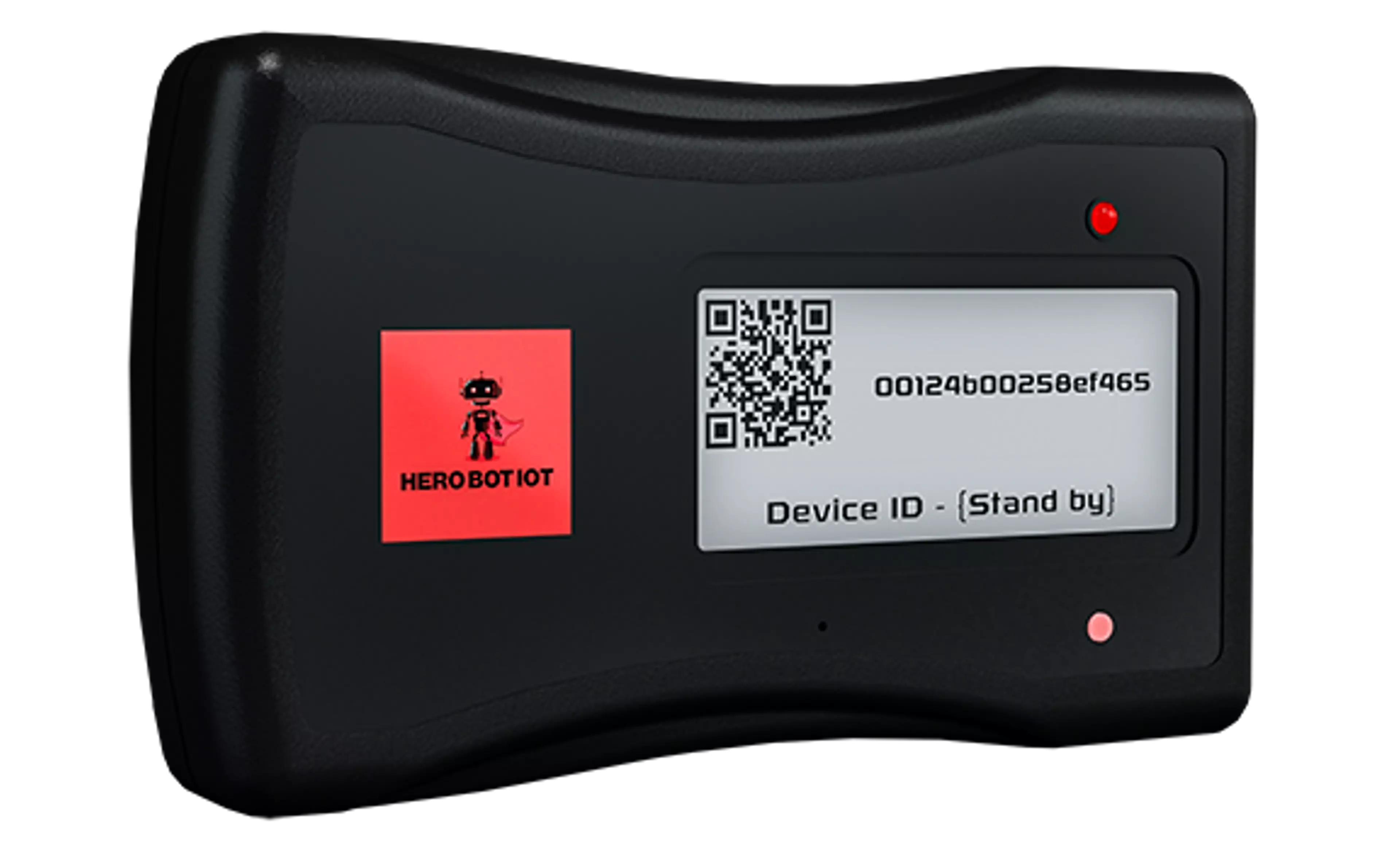
Most picking errors are not carelessness. A picker reads a line off a sheet, walks to a rack, counts out a quantity, and marks it off. Every one of those steps is a place to lose a digit. Pick-to-light removes most of them by putting the instruction at the bin: a light turns on, a display shows the count, the picker grabs it and presses the button.
Wireless versions do the same job without running conduit through your racking. That distinction matters more than it sounds like it should.
What actually improves
Accuracy. The picker is no longer translating a line of text into a physical location. The location announces itself. Miscounts drop because the quantity sits at eye level next to the product, not on a clipboard.
Speed on multi-line orders. The gain is small on a two-line order and large on a twenty-line order. The picker stops re-reading the sheet between every pick and just follows lights down the aisle.
Reslotting without an electrician. This is the main argument for wireless. When your fast movers change season to season, a hardwired system means scheduling someone to move the runs. A wireless module gets unclipped and re-clipped, and you update the map in software.
Training time. New hires learn a light and a button in a shift or two. Learning to read your pick sheet conventions and rack labeling takes considerably longer.
Where it does not pay off
Pick-to-light works best where the same SKUs move often out of a fixed set of locations. If you are picking mostly full pallets, or your catalog turns over so fast that nothing has a stable home, the economics get much worse. It also assumes your on-hand numbers are already reasonably trustworthy. A light pointing at an empty bin is a faster way to reach the same dead end.
What it needs behind it
The hardware is the visible half. The other half is a system that knows what is in each bin and can build a sensible pick path. If your inventory counts drift between cycle counts, fix that first. Otherwise you are buying a faster way to be wrong.
We build Hero Bot for exactly this pairing, with the light modules driven by the same inventory data that runs the rest of InfoSight.